
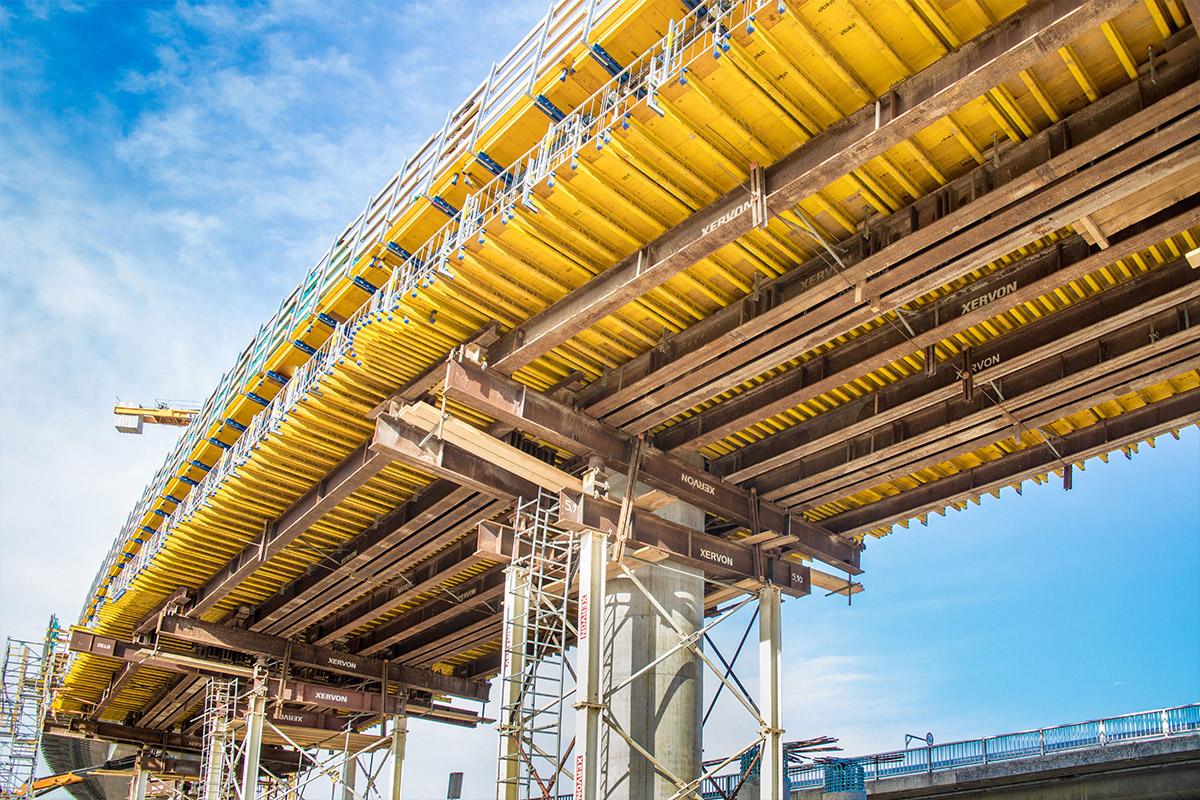
Every driver crossing a bridge trusts that each element, visible or hidden, works in harmony to keep them safe. Among these elements, the tablier de pont, the bridge deck, plays a decisive role in both the durability of the structure and the safety of everyone who travels across it.
The Role of Tablier de Pont in Bridge Engineering
Defining Tablier de Pont: What It Is and Why It Matters
The tablier de pont is the uppermost platform of a bridge, the part that directly supports vehicles, pedestrians, and even railways. While it may seem like little more than pavement, the deck actually serves as the structural link between all supporting elements. Its performance affects the entire bridge, determining both load distribution and user comfort.
Fundamental Structural Functions in Bridge Safety
A well-designed tablier de pont doesn’t just hold weight. It redistributes loads, resists the forces of weather, and absorbs vibrations and shocks. If the deck’s integrity is compromised, the entire bridge becomes vulnerable. Wind, temperature changes, and the relentless rhythm of traffic all test the limits of a deck’s resilience, placing enormous demands on material strength and construction precision.
Key Components and Materials in Tablier de Pont Construction
Common Materials and Their Structural Properties
Concrete, often reinforced with steel, remains the classic choice for bridge decks due to its high compressive strength and relatively low cost. Steel decks, prized for their lighter weight and rapid installation, are making a comeback in places where minimizing dead load is a priority. Composite materials, blending polymer resins with fibers, continue to evolve, offering corrosion resistance and longevity.
Innovations in Materials and Design
Recent years have seen the rise of high-performance concrete, improved anti-corrosion treatments for steel, and smart composite systems. These innovations not only allow for longer spans and reduced maintenance but also better adapt decks to climatic extremes.
Case Study: Structural Failures Linked to Tablier de Pont Issues
Overview of Notable Bridge Failures
History has provided sobering lessons about the consequences of deck failure. Take, for example, the collapse of the Quebec Bridge in 1907, where structural inadequacies in the deck and supports led to one of the most catastrophic bridge failures in North America.
Analysis of Failure Causes Related to Tablier de Pont
Deck failures most often stem from design flaws, insufficient inspection, or deterioration due to weather and heavy use. Inadequate waterproofing allows salt and water to corrode steel and crack concrete, steadily undermining safety. Sometimes, the issue is as subtle as improper load distribution, which can escalate into major problems over time.
Engineering Solutions for Enhancing Tablier de Pont Integrity
Modern Coffrage and Support Systems
Coffrage (formwork) systems allow builders to precisely shape decks while ensuring optimal curing and support. Modern aluminum frames and adjustable supports help achieve high strength with lower weight, making it easier to construct reliable decks.
Use of Consoles and Selles in Reinforcement
Structural consoles and saddles (selles) play an essential role in distributing loads from overhanging portions of a deck. Their placement and design can significantly increase the lifespan of a tablier de pont by reducing stress concentrations.
Advanced Bracing and Counterventing Techniques
Side bracing and counterventing systems further stabilize steel beams and concrete girders beneath the deck. These approaches dampen vibrations and prevent lateral movement, ensuring that the bridge can withstand both everyday use and extraordinary events.
Practical Implementation: Systems and Technologies from NadeauSDM
Overview of NadeauSDM’s Solutions for Tablier de Pont
When it comes to real-world application, companies like NadeauSDM offer specialized solutions for crafting and supporting bridge decks. Their systems encompass everything from high-capacity aluminum props to innovatively designed consoles, enabling safer, faster, and more precise construction.
Application Scenarios and Benefits in Real Projects
Adopting advanced systems such as the tablier de pont NadeauSDM enables engineers to create decks that excel in complex scenarios, think long-span bridges, harsh climates, or rapid replacement projects. These solutions contribute to both safety and efficiency, often reducing construction time while enhancing durability.
Inspection, Maintenance, and Monitoring Strategies
Routine Inspection Protocols for Tablier de Pont
Regular checks, including visual inspections, non-destructive testing, and load assessments, are essential. Catching early signs of wear, such as cracks or water infiltration, allows for timely interventions and keeps minor problems from escalating.
Preventative Maintenance to Avoid Structural Degradation
Routine sealing, surface repairs, and targeted strengthening can significantly extend a deck’s lifespan. Maintenance is more than preservation; it is an ongoing investment in public safety.
Emerging Technologies in Structural Health Monitoring
Cutting-edge monitoring tools, including embedded sensors and AI-driven analytics, now allow for real-time surveillance of deck integrity. These technologies provide early warnings and support predictive maintenance, reducing the risk of unexpected failures.
Future Trends in Tablier de Pont Design and Safety
Impact of Digital Modeling and AI on Design Accuracy
The growing influence of digital twins and artificial intelligence is revolutionizing how engineers design, test, and monitor bridge decks. Virtual simulations flag potential weaknesses before a single beam is laid.
Sustainable Practices and Materials in Bridge Deck Construction
Environmental stewardship is shaping the future of bridge decks. Recycled materials, low-carbon concretes, and green construction practices are becoming standard, balancing safety demands with climate responsibilities.
Conclusion: Lessons from Case Studies and Path Forward for Safer Bridges
Examining failures and innovations alike reveals one truth: the tablier de pont is much more than a road surface. It is the frontline of bridge safety. The journey from design to daily use, and then decades of maintenance, demands continual innovation and vigilance. By adopting proven strategies and leveraging new technologies, engineers ensure that tomorrow’s bridges will be safer, more resilient, and ready for whatever challenges lie ahead.
