
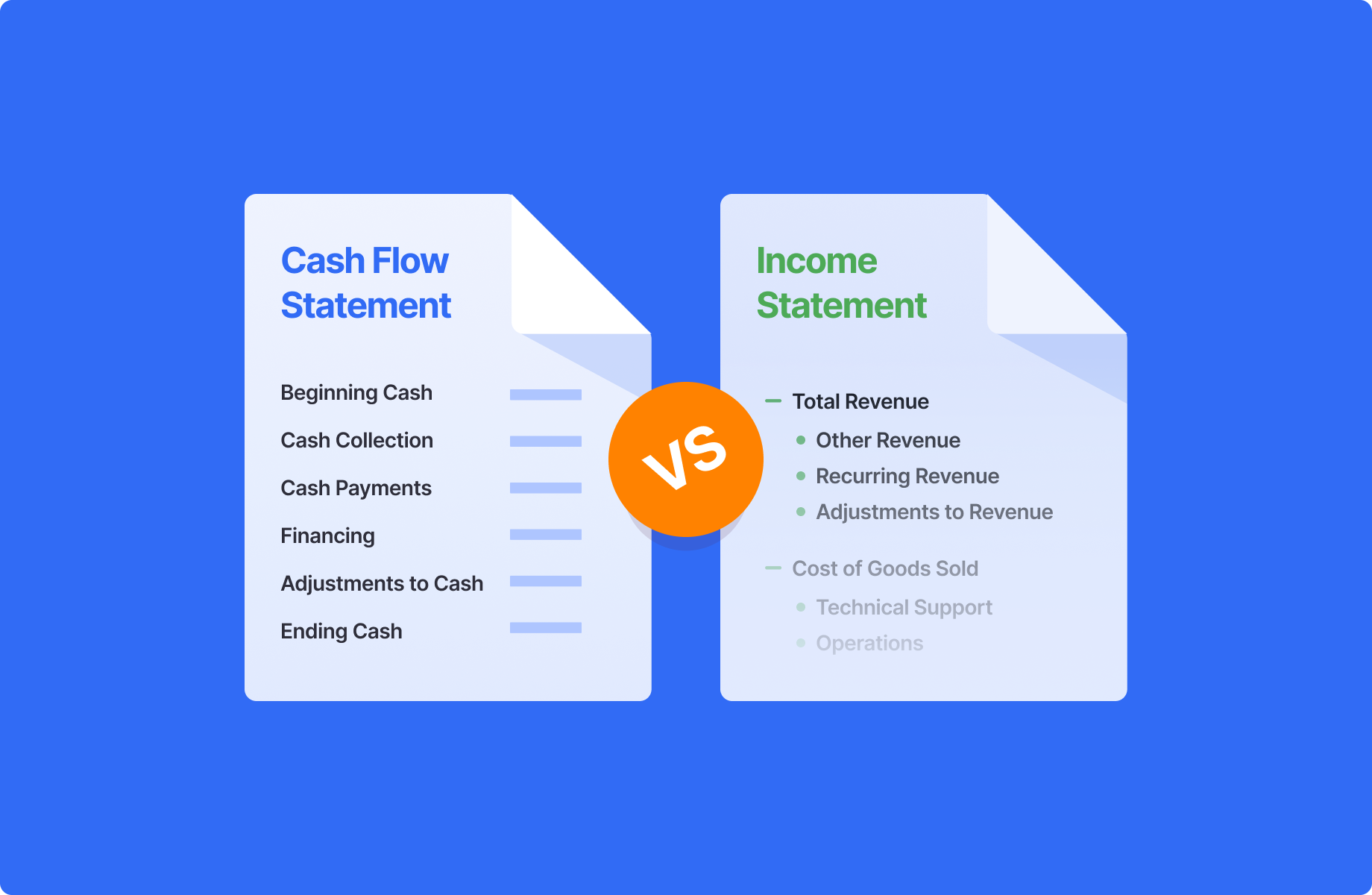
A cash flow statement is one of the three core financial statements (alongside the income statement and balance sheet). It shows exactly how much cash entered and left a business during a specific period – and more importantly, where that cash came from and where it went.
While the income statement shows profit on paper, the cash flow statement shows what actually happened to real money. A company can be profitable on paper and still run out of cash – and the cash flow statement is what reveals this.
The Three Sections of a Cash Flow Statement
| Section | What It Covers |
|---|---|
| Operating Activities | Cash from core business operations |
| Investing Activities | Cash from buying/selling assets and investments |
| Financing Activities | Cash from debt, equity, and dividends |
Section 1: Cash Flow from Operations
This is the most important section – it shows cash generated by the actual business.
Key items:
- Net income (starting point)
- Add back: Depreciation and amortization (non-cash expenses)
- Adjust for: Changes in working capital (accounts receivable, inventory, accounts payable)
- Add/subtract: Other operating adjustments
A healthy business should consistently generate positive operating cash flow. If net income is positive but operating cash flow is negative, investigate why – it usually means the business is growing but consuming cash, or has collection problems.
Section 2: Cash Flow from Investing Activities
This section covers capital allocation decisions:
- Cash out: Purchases of property, equipment, machinery (CapEx)
- Cash in: Sale of assets, proceeds from investments
- Cash out: Acquisition of other companies
Investing cash flow is usually negative for growing companies – they’re spending on assets to fuel future growth. This is normal. A company with consistently positive investing cash flow may be selling off assets, which warrants scrutiny.
Section 3: Cash Flow from Financing Activities
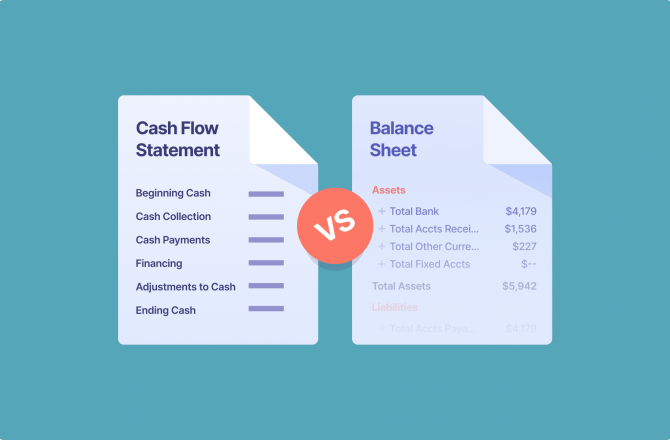
This shows how the company is funding itself:
- Cash in: New debt (loans, bonds issued)
- Cash out: Repayment of debt
- Cash in: Proceeds from issuing stock
- Cash out: Share buybacks, dividend payments
Cash Flow Statement vs Income Statement
| Income Statement | Cash Flow Statement | |
|---|---|---|
| Basis | Accrual accounting | Cash basis |
| Shows profit? | Yes | No – shows actual cash |
| Includes non-cash items? | Yes (depreciation, amortization) | Removed/adjusted |
| Best for assessing | Profitability | Liquidity and solvency |
| Can be manipulated? | More easily | Harder to fake |
Why the Cash Flow Statement Matters
Free Cash Flow (FCF) is derived from the cash flow statement:
> FCF = Operating Cash Flow − Capital Expenditures
This number tells you how much cash the business generates after maintaining and growing its asset base. It’s the cash available for dividends, debt paydown, acquisitions, or returning to shareholders.
Warren Buffett calls free cash flow the real measure of a business’s earnings power – more than net income.
The Bottom Line
The cash flow statement is the financial document that cuts through accounting adjustments to show what really happened with money. Strong, consistent operating cash flow is the hallmark of a healthy business. Learn to read this statement and you’ll spot problems and opportunities that the income statement alone conceals.
