
Modern architecture pushes boundaries that standard building materials and prefabricated components cannot accommodate. Curved facades, intricate metalwork details, custom roofing profiles and unique cladding systems all require fabrication capabilities extending far beyond off-the-shelf solutions. When architects envision buildings that stand apart from conventional construction, custom metal fabrication transforms those visions into reality.
The gap between architectural design and physical construction narrows considerably when fabrication partners possess the equipment, expertise and experience necessary to produce precisely what projects demand. Understanding how custom fabrication serves complex architectural requirements helps project stakeholders appreciate this essential but often overlooked construction discipline.
Translating Design Intent Into Physical Components
Architectural drawings communicate design vision through representations that fabricators must interpret and execute in physical metal. This translation process requires understanding not only what finished components should look like but also how they will function within larger building systems. Drainage patterns, thermal movement, structural loads and weatherproofing all influence how designs become buildable components.
Experienced fabricators recognize potential issues during interpretation rather than discovering problems during installation. They identify where theoretical designs may create practical difficulties and propose modifications that preserve aesthetic intent while ensuring functional performance. This collaborative approach prevents costly field corrections that delay projects and compromise quality.
Digital modeling capabilities allow fabricators to visualize components before cutting any material. These virtual prototypes reveal fit issues, clarify complex geometries and confirm that fabricated pieces will integrate properly with adjacent building elements. The investment in thorough planning pays dividends through smoother installation and superior finished results.
Achieving Precision Through In-House Capabilities
Projects requiring custom profiles, unique trim details or non-standard dimensions benefit enormously from fabricators who maintain comprehensive in-house production facilities. Outsourcing fabrication to third parties introduces communication gaps, extends timelines and limits quality control. In-house capabilities keep all production under unified management.
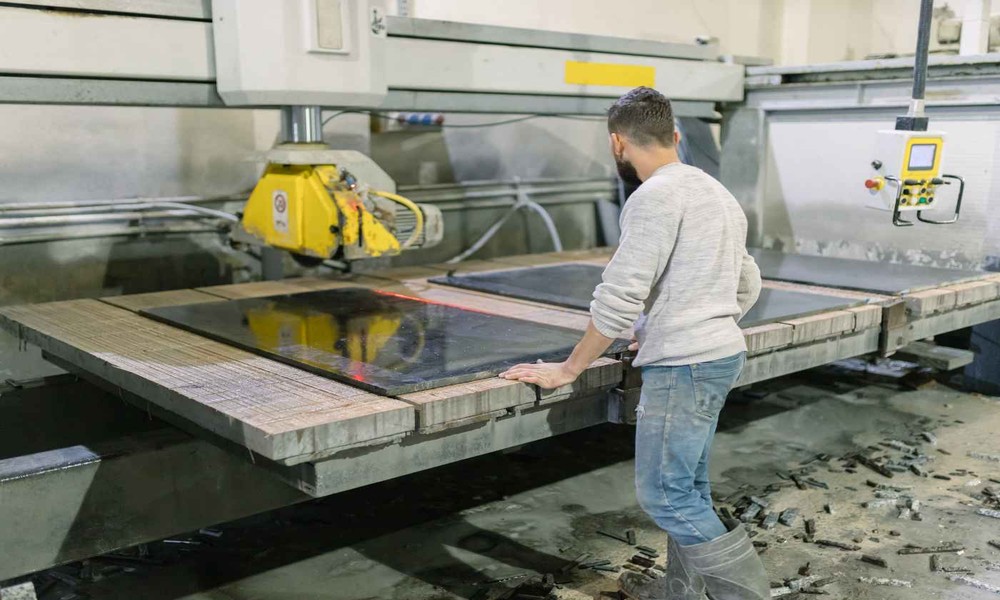
Modern fabrication equipment achieves tolerances that handwork cannot match consistently. Computer-controlled cutting, forming and finishing processes produce identical components across entire production runs. This consistency matters particularly for repetitive elements where slight variations would create visible irregularities in finished installations.
Choosing companies like Metal Master ensures access to fabrication facilities equipped for demanding architectural work. Professional fabricators invest continuously in equipment that expands their capabilities while improving precision. These investments reflect a commitment to serving projects that push beyond conventional construction requirements.
Matching Materials to Project Requirements
Architectural metal fabrication encompasses numerous material options suited to different applications and aesthetic goals. Aluminum, steel, copper, zinc and various alloys each offer distinct properties affecting appearance, durability, workability and cost. Selecting appropriate materials requires balancing project priorities against material characteristics.
Finish options multiply the possibilities further. Painted coatings, anodized surfaces, natural patinas and specialty treatments all affect how metal components appear and perform over time. Some finishes require application before fabrication, while others work best applied to finished pieces. Understanding these sequences influences both material selection and production planning.
Composite materials combining metal faces with core substrates create panels offering unique combinations of flatness, rigidity and weight characteristics. These engineered products enable designs impossible with solid metal while providing aesthetic qualities that alternative materials cannot match.
Coordinating Fabrication With Installation Schedules
Construction schedules demand materials arriving when installation crews need them, neither too early nor too late. Custom fabrication timelines must align with overall project sequencing to prevent components from sitting exposed to weather or installation crews waiting idle for deliveries.
Effective project coordination begins during estimating when fabricators assess production requirements against proposed schedules. Complex projects may require phased fabrication, matching installation sequences rather than producing everything simultaneously. This staged approach coordinates production capacity with site readiness.
Communication between fabrication facilities and field crews ensures components arrive installation-ready. Proper packaging protects finished surfaces during transit and handling. Clear labeling identifies pieces and their locations within overall assemblies. These details seem minor, but significantly affect installation efficiency.
Ensuring Long-Term Performance
Fabrication quality directly influences how metal components perform over decades of service. Proper forming techniques prevent stress concentrations that lead to premature failure. Appropriate fastening methods accommodate thermal movement without loosening or causing distortion. Correct edge treatments prevent corrosion initiation at vulnerable locations.
Quality fabricators understand that their work must withstand environmental exposure indefinitely. Shortcuts that reduce production costs often create maintenance problems or premature failures that cost building owners far more than the fabrication savings provided. Professional fabricators reject compromises that sacrifice long-term performance for short-term economy.
Documentation accompanying fabricated components provides value extending beyond initial construction. Material certifications, finish specifications and care recommendations help building owners maintain installations properly while facilitating future repairs or modifications that match original work.
Custom metal fabrication serves architectural ambitions that standard products cannot fulfill. Projects achieving design distinction depend on fabrication partners capable of producing components meeting exacting requirements while integrating seamlessly into larger construction programs.
