
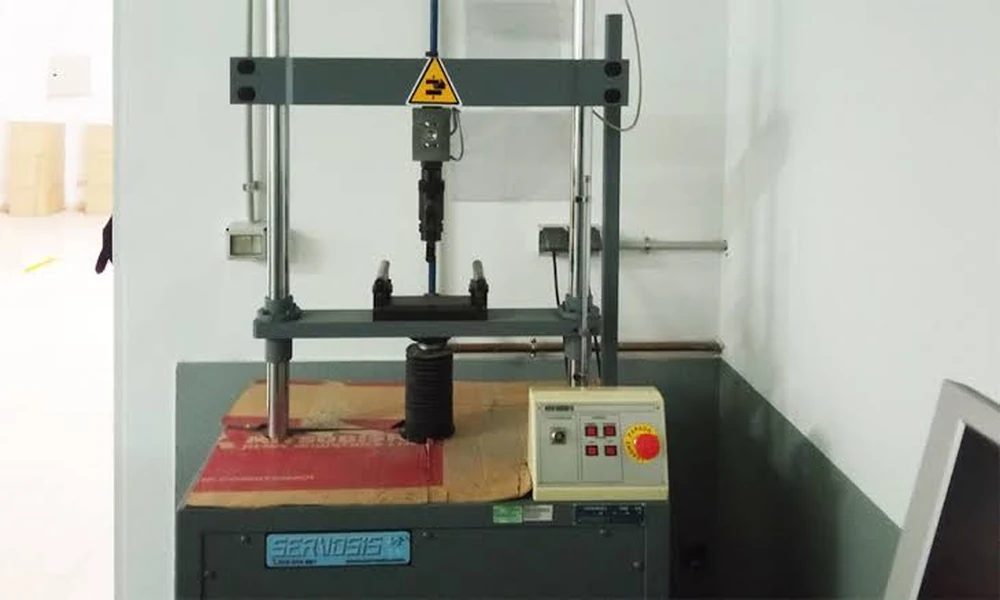
Reliable testing helps manufacturers confirm whether metal joints meet required quality standards. A bend test checks flexibility by applying force to a prepared sample until it reaches a specified angle. Selecting suitable testing support depends on project goals, material properties, testing standards, and reporting needs. A clear plan helps teams assess results confidently. The welding bend test provides valuable insight into joint quality and supports consistent inspection outcomes.
Defining Project Testing Needs
Every project has specific requirements based on joint design, metal thickness, and expected performance. Before arranging an assessment, identify the applicable standards and acceptance limits. This preparation helps the testing team select suitable methods while keeping the work aligned with project expectations. Clear instructions also make communication easier throughout the inspection process.
- Identify the required standard before submitting metal samples.
- Record joint thickness along with relevant preparation details.
- Confirm acceptance limits with the project inspection team.
- Specify the purpose of each requested examination.
- Prepare sample identification records for accurate result tracking.
Checking Technical Testing Capabilities
A reliable provider should have suitable equipment and trained staff for the required procedure. Ask about their ability to handle different sample sizes and testing conditions. Their technical knowledge should match the type of joint under review. These details help project teams select an appropriate provider whose capabilities support consistent assessments and dependable reporting.
- Review equipment suitability for the specified testing procedure.
- Confirm staff knowledge of applicable inspection standards.
- Check sample handling methods before beginning the assessment.
- Request details about equipment calibration and maintenance.
- Verify that testing conditions match project specifications.
Reviewing Standards And Methods
Recognised testing standards help maintain consistency across inspections. The selected method should match the project specification rather than relying on a general procedure. During a welding bend test, the sample preparation, applied force, and inspection criteria influence the results. Confirming these details before testing helps teams understand whether the method supports their intended quality checks.
Assessing Reports And Communication
Clear reporting makes test results easier to review and apply. Reports should identify the sample, testing method, applicable standard, observations, and outcome. These details help project teams maintain inspection records while supporting future quality reviews. Before confirming an appointment, ask about report delivery times and the process for addressing technical questions.
Comparing Provider Selection Factors
Choosing a suitable provider involves more than checking the quoted price. Consider technical capability, turnaround time, report quality, and familiarity with the required standards. Comparing these factors helps project managers find an option that fits their schedule and inspection goals. Request written details about the agreed scope before sending samples for assessment.
Review the following points when comparing potential providers:
- Compare quotations against the full testing scope.
- Check expected completion dates before confirming arrangements.
- Review sample reporting formats for clear technical details.
- Confirm confidentiality practices for project-related information.
- Select a provider with suitable equipment and expertise.
A well-planned selection process helps project teams establish dependable inspection arrangements. Match technical requirements with the provider’s capabilities before approving the work. Keep specifications, sample records, and reporting expectations organised from the beginning. These steps support informed decisions while helping manufacturers maintain consistent quality throughout production.
FAQ
What determines the appropriate testing method for welded joints?
Project specifications and applicable standards determine the appropriate testing method.
Why should testing reports include sample identification details?
Clear identification connects recorded findings with the correct inspected sample.
When should project requirements be shared with testing providers?
Share specifications before submitting samples to confirm testing arrangements.
